posted
on Monday, December 22, 2025
in
Dealer News
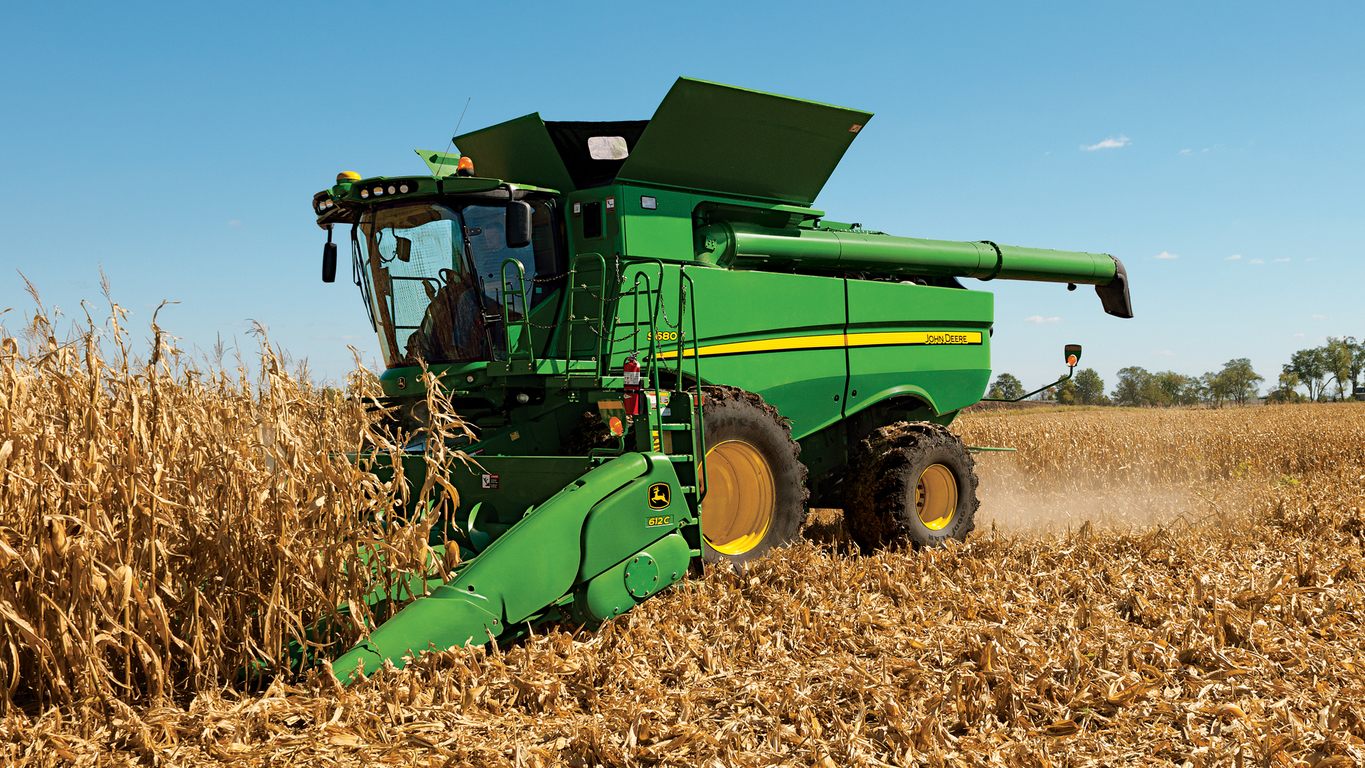
Harvest wraps up, and most farmers breathe easy. The pressure's off, bins are full, and the scramble to beat the weather finally ends. But experienced operators know something others learn the hard way: what you do with your S680 combine between now and next season determines whether you'll start strong or spend the first week troubleshooting problems that could've been prevented.
Texas winters might seem mild, but they're brutal on idle equipment. Moisture collects where you don't see it. Seals dry out. Rodents move in. Fluids break down. Walk away without proper care, and you're gambling thousands of dollars on whether it fires up clean next year.
Explore the S680
Clean It Right
Most people blow dust off and call it done. That's cosmetic work, not protection.
Get inside every auger, conveyor, and cleaning component with compressed air. Crop residue left behind holds moisture against metal, creating rust conditions. Worse, it attracts rodents that chew wiring you won't discover until spring.
Empty the grain tank completely—not mostly empty. The radiator needs attention, too. Chaff packed into cooling fins means overheating next season. Blow from the clean side outward.
Place rodent deterrents in the cab. Repairing chewed wiring costs more than prevention ever could.
Fluids: Fresh Beats Old
Used oil contains acids and contaminants that corrode internal engine parts when left sitting idle. Change it now with quality oil and genuine filters for your S680's 13.5L PowerTech engine.
Fuel needs specific handling. Either run the tank nearly empty or fill it completely and add stabilizer. Partial tanks create condensation. Water accumulates, which your fuel system discovers next spring at the worst moment. Run the engine ten minutes after adding stabilizer to circulate it through the entire system.
Check the hydraulic fluid in your S680's closed-center system. Dark or burnt-smelling fluid needs changing. Test coolant protection level—Texas freezes occasionally, and weak coolant cracks engine blocks while providing less corrosion protection.
Belts, Chains, and Moving Parts

Walk around checking every belt. Cracks, fraying, or excessive wear mean replacement now. Belts are cheap. Harvest breakdowns aren't.
Chains throughout the TriStream rotor system, separator, and feederhouse need inspection and lubrication. Look for worn links or damaged sprockets. Hit every grease fitting—the S680 has dozens. Missing even a few creates problems later.
Inspect the rotor for bent bars or excessive wear. Check concaves and sieves honestly—worn components affect performance, and these parts are expensive to replace mid-season.
Electrical Systems and Technology
Battery maintenance starts with disconnecting it. Clean terminals and either remove for indoor storage or connect to a maintainer charger. Dead batteries in spring are preventable.
Check visible wiring harnesses for chafing or damage. Update software if available—John Deere releases periodic improvements. Test all lights and sensors. Clean sensor lenses and camera lenses. Dust affects accuracy, giving bad data that leads to poor decisions.
Storage and Structural Checks
Walk completely around looking for cracked welds, loose bolts, and damaged mounts. The unloading auger deserves careful inspection—the 300-bushel grain tank puts a substantial load on those components.
Check tires for damage and proper pressure. Underinflated tires develop flat spots during storage. Indoor storage beats outdoor every time, but if that's not possible, use quality breathable covers that shed water without trapping condensation. Park on level, well-drained ground.
Parts Planning and Service
Off-season is ordering time. Review harvest notes—what broke? What wore out? Order those items now, not when you're desperate in June.
Stock common wear items. Extra belts, filters, chains, and bearings mean you're not shut down waiting for shipping. The S680's specialized parts might not be locally stocked.
Talk to Tellus Equipment during the off-season when they've got time for real conversations. Ask about known issues for your model year. Schedule major repairs now when shops have availability.
Schedule Service
Spring Startup
Fire up your S680 at least a month before you need it. Recheck fluid levels, look for leaks, and listen for unusual noises. Test all systems under no-load—cycle hydraulics, run the unloading auger, engage the separator, and cleaning systems.
Verify sensors and monitors function correctly. The CommandCenter should show normal readings. Yield monitoring needs calibration before harvest starts.
The Bottom Line
Your S680 represents a significant investment and critical harvest capacity. Protecting it during the off-season takes work, but it's work that pays off.
Spend a few days now doing this right, or spend weeks next season fixing preventable problems. One approach puts you in control. The other leaves you at the mercy of parts availability during the busiest time of year.
Texas harvest comes fast. Being ready means having equipment that starts reliably, runs efficiently, and doesn't quit when you need it most. You can find the S680 Combine and more at Tellus Equipment Solutions. Visit us today!
Visit A Location
Contact Us
- combines
- john deere
- service