posted
on Tuesday, March 31, 2026
in
Dealer News
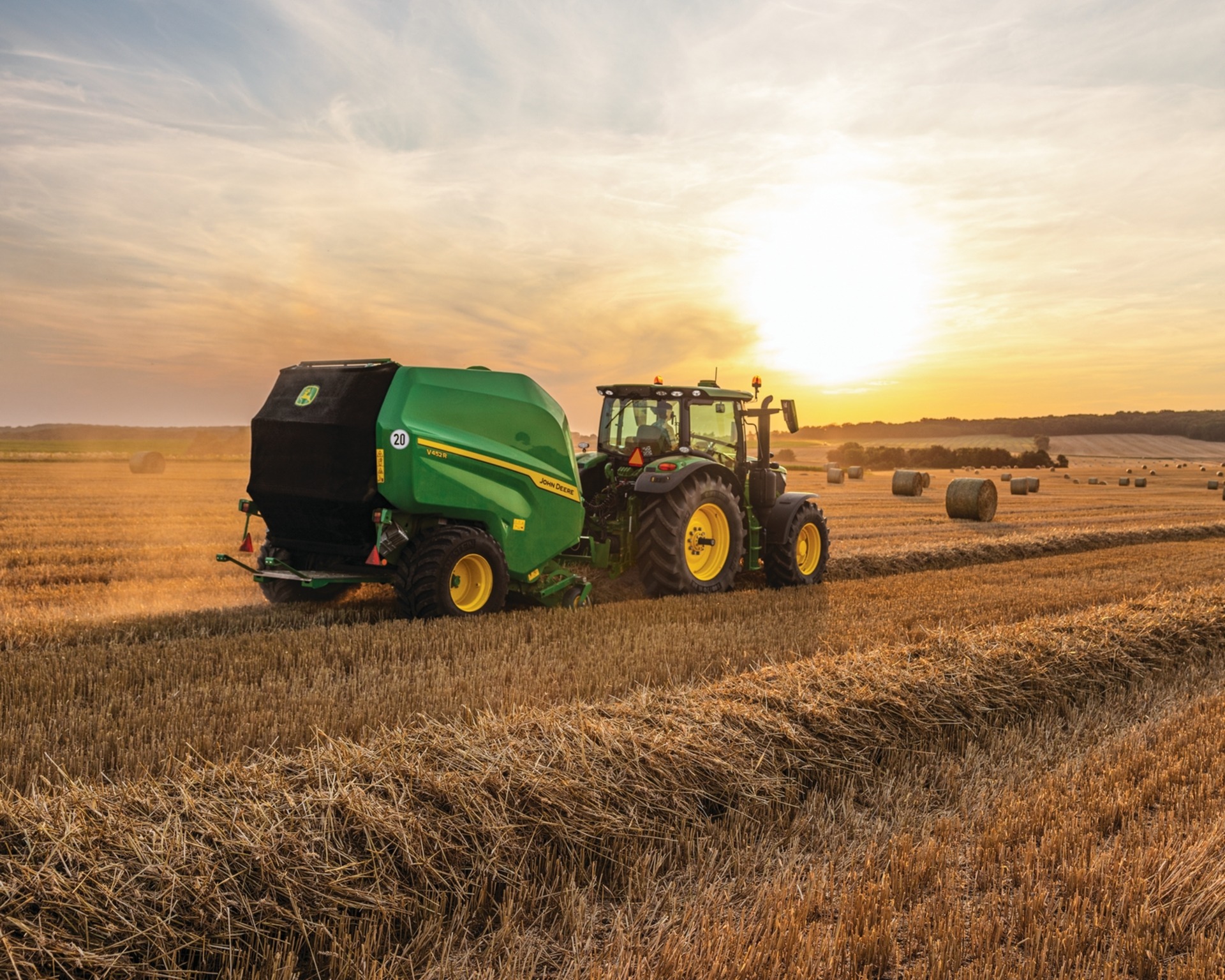
Whether you're putting up coastal Bermuda for your cattle farm or baling hay to sell, a good baler is an indispensable piece of equipment on a Texas ranch. However, new balers come with a hefty price tag. That’s why many farmers and ranchers turn to the used market to find reliable machines at a better value.
Buying used equipment can be a smart move, but only if you know what to look for. A well-maintained baler can give you years of dependable service, while one that's been neglected could cost you more in repairs than you saved initially. Here's what you should keep in mind before you buy a used square or round baler in Texas.
Explore Used Equipment
Inspect Key Parts
Before committing to any used baler, a thorough, hands-on inspection is essential.
Pickup Teeth and Head
Start with the pickup head, which is the front-line component that gathers hay from the windrow. Look closely at the pickup teeth for bending, breakage, or excessive wear. Missing or damaged teeth lead to uneven feeding, which means inconsistent bale quality and wasted hay.
Belts or Rollers
If you're looking at a round baler, pay close attention to the belts or rollers, depending on the model. Belts should be free of cracks, fraying, and uneven wear. Spliced belts can work in a pinch, but they're a sign the machine has been pushed hard. On roller-style balers, check that the rollers spin freely without grinding or excessive play in the bearings.
Knotter Mechanism
For small square balers, the knotter mechanism deserves special attention. Knotters are one of the most complex and failure-prone parts on a baler, and replacing or rebuilding them is expensive. Ask the seller to run a few test bales if possible, so you can watch the knotters tie consistently.
Net Wrap, Bearings, PTO
Don't overlook the net wrap or twine system, the PTO shaft and driveline, chains, and sprockets. Listen for unusual noises when the machine is running — grinding, popping, or clanking can point to worn bearings, stretched chains, or other issues hiding beneath the surface. It's also worth noting that the Texas sun takes a toll on equipment. UV exposure and heat degrade rubber belts, hoses, and tires faster than in cooler climates, so even a low-use baler may have sun-damaged components that need replacing.
Maintenance History and Hours

A baler's maintenance history is the key to unlocking your baler's secrets. It can tell you more about its condition than its age or bale count alone. Ask the seller for service records and look for evidence of regular greasing at all fittings, timely belt or chain replacements, and consistent upkeep of the knotter or tying system. These are all important factors that contribute to a well-maintained baler.
Bale count matters, but context matters more. A baler that's produced 30,000 bales with diligent maintenance can be a better investment than one with 10,000 bales that's been neglected. Ask what type of hay the machine has been baling. Heavy, stemmy crops put more stress on a baler than lighter grasses.
If the seller can't provide records, that's not necessarily a dealbreaker, but it should make you more cautious during the physical inspection. Look for signs of regular care, such as clean grease fittings, well-adjusted components, and a machine that's been stored under cover, like a shed or a barn.
Schedule Service
Compatibility
One of the most common mistakes buyers make is not matching the baler to their tractor’s capabilities. Every baler has specific PTO horsepower requirements, and running a baler with an undersized tractor leads to poor performance, excessive strain on both machines, and costly repairs.
Check the baler's manual or spec sheet for its minimum PTO horsepower requirement and compare that to your tractor's rated PTO output. An important note to remember is that PTO horsepower and tractor horsepower are not the same thing. The tractor’s engine horsepower will always be higher. You'll also want to confirm the hitch category and PTO speed (540 vs. 1000 RPM) match your tractor's setup.
Think about the size of your operation, too. A large round baler that produces 5x6 bales might be overkill for a small acreage, while a compact baler may not keep up with a large-scale hay operation. Matching the right baler to your land, your tractor, and your goals will save you time, money, and frustration in the long run.
Buying From a Dealer vs. a Private Seller
Where you buy your used baler matters just as much as what you buy. Private sales can sometimes offer lower prices, but they come with trade-offs like limited options for recourse if something goes wrong, no warranty, and no service support after the sale.
Purchasing through a dealership like Tellus Equipment Solutions offers several advantages. A reputable dealer will typically inspect and service used equipment before putting it on the lot, giving you added confidence in the machine's condition. You'll also have access to parts and service support down the road, which can make all the difference when you need a quick turnaround during baling season.
New vs. Used Balers: Which is Better?
Stop by Tellus Equipment for Your Next Baler
Ready to find the right baler for your operation? Stop by your nearest Tellus Equipment Solutions location across Central and South Texas and talk with our team. Whether you're looking at new or used equipment, we're here to help you make the best decision for your land and your livelihood.
Visit A Location
Contact Us
Frequently Asked Questions
What should I inspect before buying a used baler in Texas?
Before buying a used baler, carefully inspect the pickup teeth for bending or breakage, check belts or rollers for cracks and wear, and test the knotter mechanism on square balers for consistent tying. Keep in mind that Texas heat and UV exposure can degrade rubber belts, hoses, and tires faster than in cooler climates, even on low-use machines.
How important is maintenance history when buying a used baler?
Maintenance history is one of the most telling indicators of a used baler's true condition. A baler with a high bale count but consistent greasing, timely belt replacements, and proper knotter upkeep can be a better investment than a lower-use machine that's been neglected.
How do I make sure a used baler is compatible with my tractor?
Always check the baler's minimum PTO horsepower requirement against your tractor's rated PTO output, and remember that PTO horsepower and engine horsepower are not the same. You'll also want to confirm the hitch category and PTO speed (540 vs. 1000 RPM) match your tractor's setup to avoid poor performance and costly strain on both machines.
Should I buy a used baler from a dealer or a private seller?
Buying through a dealership like Tellus Equipment Solutions gives you added confidence because dealers typically inspect and service used equipment before selling it. You'll also get access to ongoing parts and service support, which is critical for quick turnarounds during baling season.
- balers
- john deere
- texas
- used